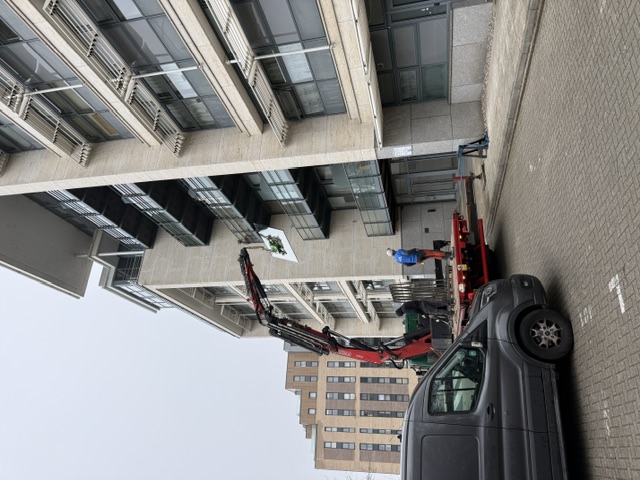
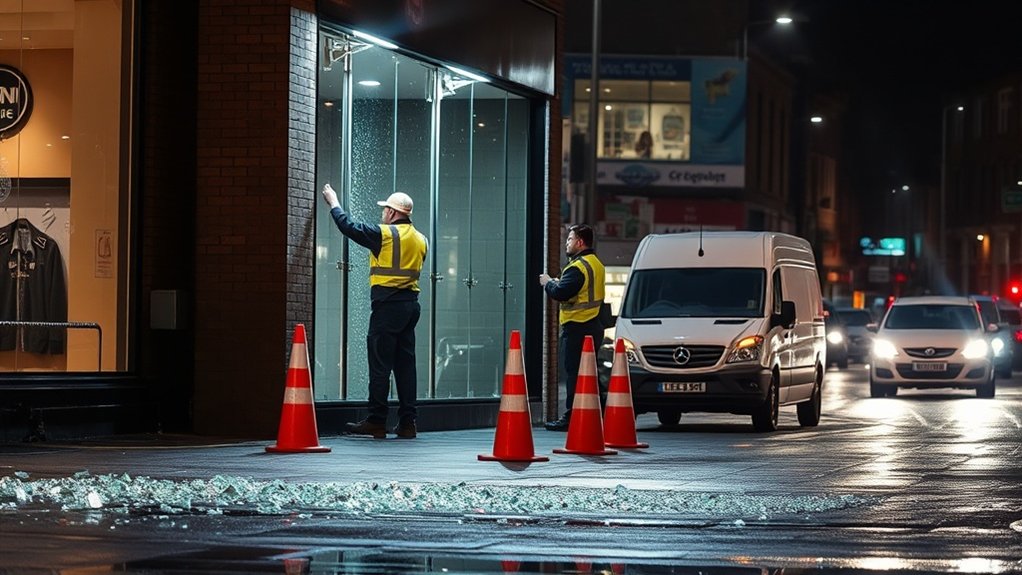
A smashed window, a kicked-in shop door or a cracked rooflight will not wait for office hours, which is why we run emergency glazing in Clarendon around the clock. Our glaziers are usually on site within a couple of hours to make the opening safe, board it securely, clear the glass and measure for a compliant replacement unit. We can fit standard, laminated, toughened or security-rated glass and we provide the photographs and reports your insurer will ask for. This page sets out what the service includes, how to tell a true emergency from a job that can wait, what it costs, and how to stay safe until we arrive.
Key insights
- Our 24-hour emergency glazing service in Clarendon secures broken windows, doors and shopfronts with boarding and accurate measurement for replacement glass.
- On arrival the glazier isolates the hazard, removes loose fragments and checks the frame before deciding on boarding or same-visit glass.
- Options run from short-term boards through standard replacement to laminated, toughened and energy-efficient security glazing.
- Expect an itemised price covering call-out, labour, glass type, materials, disposal and the return visit for the permanent unit.
- Dated photographs, measurements and a written report from the glazier support your insurance claim and show you met your safety duties.
Emergency Glazing Services in Clarendon: What’s Included
When glass gives way unexpectedly, our emergency glazing call-out in Clarendon is built around getting the property safe and secure on the first visit. That means boarding the opening with fixed plywood or OSB sheets, taking exact measurements, and specifying a replacement unit that meets current Building Regulations for its location.
The glazier checks the frame has not been bent or pulled from its fixings, confirms the opening can still carry its load, and makes sure the temporary board does not interfere with alarms, door closers or insulation. Everything is photographed and logged so you have a record for your insurer or landlord, and any monitored alarm contacts are reinstated where possible.
You can choose a like-for-like replacement or move to a better unit with improved U-values, acoustic laminate or security glass, keeping any leaded or decorative pattern where it matters. Debris removal, edge sealing and a weatherproof finish on the board are part of the visit, so the opening stays dry while the final glass is made.
When to Call an Emergency Glazier in Clarendon
Not every damaged pane needs a glazier at two in the morning, so it helps to know what separates an emergency from a routine repair. The quick test is risk: exposed edges, pieces that could fall, an opening a person could climb through, or weather getting into the building all push a job into the urgent category. The following sections set out how we judge that for callers in Clarendon.
Identifying Genuine Glass Emergencies
A small chip in a sealed unit can wait for a daytime appointment. A true glass emergency in Clarendon is one where the way the glass has failed threatens safety, security or the integrity of the building. Look at how the damage is spreading and whether the opening still does its job.
- Cracks running edge to edge or a large impact star mean the pane could collapse at any moment; treat it as urgent.
- Ground-floor openings that can be reached from the pavement need securing straight away.
- Glass that carries hardware, such as a frameless door, shopfront or balustrade, must be dealt with immediately once it stops holding its fixings.
- Where wind or a cold snap could run the crack further overnight, do not wait for morning.
Safety Risks And Hazards
Knowing you have an emergency is only half of it; the specific hazards are what make the call to a glazier in Clarendon pressing. A cracked pane that looks stable can let go without warning under a gust, a passing lorry or a change in temperature, throwing sharp pieces into the room.
The risk is greatest where the design relies on large or unframed glass: shop windows, frameless doors, balustrades, rooflights and decorative panels. A crack in these removes the impact resistance and containment the glass was there to provide.
Inside a building, damaged partitions and glazed doors sit right on the routes people walk every day. Outside, a broken unit weakens security and can drop fragments onto a pavement or car park. Bowing, movement or loose pieces should be read as a live hazard and dealt with at once.
Time-Critical Repair Situations
Deciding that a broken pane cannot wait comes down to exposure, risk and what the glass was doing for the building. When structural glazing, security glass or a bespoke feature panel fails, fast action protects both the people inside and the design you paid for.
Ring an emergency glazier in Clarendon straight away when:
- Security is compromised, so that doors, locks, sensors or the shopfront itself no longer keep anyone out.
- Rain, wind, debris or heat loss could damage interiors, equipment or stock within hours.
- The premises cannot operate safely without the glass, such as a retail frontage, clinic, server room or production line.
- A load-bearing or laminated feature panel shows cracking, bowing or delamination that could spread quickly.
What Happens During an Emergency Glazing Call-Out
From the moment you phone, the call-out follows a set routine designed to secure the property and restore safety quickly. We ask a few pointed questions first: what sort of glass has broken, what the frame is made of, whether the opening is accessible from outside, who is in the building, and whether the pane carried any special pattern or finish. That lets the responding glazier load the right boards, beads, sealants and hardware before leaving.
On site, the glazier arrives in PPE with the tools and consumables needed to finish the job in one go. The first task is a quick hazard check, cordoning off the area and taking out loose pieces in a controlled way so nothing else breaks. The frame is then inspected for damage, the impact points noted, and the whole scene photographed for insurance and compliance. The glazier talks you through the risks and the options and works towards leaving a safe, weathertight, regulation-compliant opening behind.
Boarding Up vs Replacement Glass: How Your Property Is Secured
Boarding and replacement glass protect a property at different stages of the same job. The first concern is immediate safety, after which we choose the right way to secure the opening for the short term, and then help you select permanent glazing that brings back full security, thermal performance and compliance with the relevant standards.
Immediate Safety Priorities
In the minutes after a breakage, the aim is simply to make the opening stable and remove anything that can hurt someone. Appearance and decorative options come later; this stage is about preventing injury, rain ingress and unwanted entry.
- Mark out the danger area, steer people around it and move stock, equipment or valuables out of reach.
- Deal with the broken glass carefully, lifting rather than sweeping where possible and putting fragments in a rigid, labelled container.
- Close the opening with impact-resistant boards or quick-fit safety glass sized to the span, load and fixing substrate.
- Check the frame, mullions, transoms and surrounding cladding for distortion or hidden cracks before any further work.
With those four steps done, the conversation can turn to longer-term security and how the opening will look.
Temporary Security Solutions
With the hazards contained, the next call is how the opening will be held until the permanent glass arrives: solid boarding or a temporary pane. Boarding gives real resistance to impact and a visible deterrent. Our glaziers screw the sheets into the masonry or frame rather than relying on tape, which removes weak points a thief could lever. It suits overnight cover or openings with awkward shapes that need templating.
Temporary glass keeps the daylight and basic insulation while still securing the premises. The glazier picks a pane based on durability, likely loads and exposure, and fits it with proper beads and a quality sealant. Either way, the frame, locks and any security upgrades are assessed at the same time, so the damaged area ends up stronger rather than merely covered.
Long-Term Glazing Choices
Once the opening is stable, the permanent choice determines how secure and efficient the property will be for years. The decision sits between leaving the boards in place and fitting replacement glazing that improves security, energy performance and appearance in a single step.
- Leaving boards up – resists impact but looks poor, loses heat, and advertises a vulnerable building the longer it stays.
- Standard replacement glass – quick and tidy, though it may fall short on strength and insulation.
- Laminated or toughened units – interlayers and heat treatment give intruder resistance and safe breakage behaviour.
- Full performance packages – low-E coatings, acoustic layers and security film combined to improve protection, comfort and clarity together.
Decide promptly, because whatever you fit now sets your risk level for the next decade.
Emergency Glazing Costs in Clarendon: What to Expect
Knowing roughly what emergency glazing costs in Clarendon lets you authorise work quickly without an unpleasant surprise later. You are paying for a fast response, a secure temporary fix and a measured replacement that restores the opening properly, including any patterned or leaded panes.
The call-out fee changes with the time of day, how hard the opening is to reach, and the glass required; laminated, toughened, acoustic and security-rated units each carry a different price. Large panes, curved glass and special coatings add to both material and handling costs. A good glazier gives you an itemised quote that separates labour, glass, disposal and the return visit.
Choose a firm that measures digitally, schedules clearly and publishes its pricing structure, so you can compare quotes quickly and approve the work with confidence.
Emergency Glazing, Insurance Claims, and Your Legal Duties
Broken glass creates two parallel jobs: documenting the damage for your insurer and meeting your legal duty to keep people safe. Clear photographs with timestamps, a short incident note and the glazier's report, all consistent with your policy wording and UK Building Regulations, will carry the claim. Acting fast protects the people on site, preserves evidence and keeps the insurance claim sound.
Documenting Damage For Insurers
Begin recording the damage before anyone starts clearing up, as if the loss adjuster were watching. Every fragment, bent frame and impact mark is evidence that supports the claim and informs the specification of the replacement.
- Take wide shots and close-ups, plus a short video, with the date and time visible or embedded.
- Note each affected pane: size, glass type, any coating or safety marking, and the frame material.
- Describe what points to the cause, such as tool marks, storm debris or an entry route, in plain factual language.
- Keep invoices, the glazier's report and the boarding-up note together in one folder.
A tidy record helps the insurer settle quickly and makes it easier to fund a better replacement than the original.
Meeting Safety Compliance Duties
Smashed glass is a safety and legal matter before it is a design or insurance one. As the occupier you are expected to secure the area, stop people entering and remove the risk of cuts and falling glass, in line with the Workplace (Health, Safety and Welfare) Regulations and the Building Regulations.
A prompt emergency glazing response is proof that you acted responsibly. A competent glazier will fit safety glass where Approved Document K requires it, identify the critical locations and write down what was done and why.
Ask for the impact class, glass type, fixing method and timings in writing, and keep that alongside your incident report and any CCTV.
How to Choose a Reliable Emergency Glazing Company in Clarendon
A broken window leaves a property exposed, so the emergency glazing company you call in Clarendon needs to be accredited, insured and able to turn up at any hour with the right glass on the van. You are buying continuity for your business and protection for a frontage that carries your brand, not just a pane.
- Check accreditations such as FENSA or CHAS, public liability insurance and DBS-checked engineers.
- Make sure the 24-hour claim is real, with stated arrival windows, tracked vehicles and live job updates.
- Confirm they can supply laminated, toughened, fire-rated, security and smart glass, and what they carry as stock.
- Insist on written risk assessments, method statements, before-and-after photographs and compliance certificates.
Common Causes of Broken Glass in Clarendon (And How Glazing Helps)
With the right company chosen, it is worth understanding what breaks glass most often across Clarendon. The main culprits are forced entry, thermal stress from sharp temperature swings on sunny or frosty days, and vibration from heavy traffic or nearby industrial activity. Old single panes and cheap glazing fail first under all three.
After a breakage, the repair should be driven by a proper assessment. The glazier looks at edge damage, frame distortion and how the glass carries load before recommending laminated, toughened or double-glazed units. Upgrading the glass improves resistance to blunt impact, lowers the chance of thermal fracture and dampens noise, so the replacement copes better with the strains the original could not.
Safety Tips While You Wait for the Emergency Glazier
Until the glazier arrives, the aim is to keep everyone away from the broken glass and stop the situation getting worse. A few minutes of careful action now avoids injuries and further damage.
- Keep people, pets and vehicles out of the area, using chairs, tape or a cone to mark a clear boundary.
- Put on sturdy shoes and, if you have them, cut-resistant gloves and eye protection before touching any glass.
- Gather shards into a rigid container and close any gaps with cardboard or heavy plastic held with strong tape.
- Move computers, stock, documents and anything valuable well away from the opening.
Preventing Future Breakages With Stronger Glazing and Better Security
The weeks after an emergency call-out are the best time to make the premises harder to break into. Laminated or toughened glass with a certified impact class and an anti-shatter interlayer resists forced entry, keeps fragments bonded and sits well in modern, stiffer framing systems.
Stronger glass works best alongside proper hardware: multi-point locks, anti-jemmy beading and internally beaded units that cannot be lifted out from the street. Security-rated hinges and glass-break sensors can be wired into your alarm or building management system.
None of this means a plain, fortress-like look. Etched, tinted or printed decorative glass softens views while keeping daylight and branding, and privacy film can be combined with security laminate in exposed areas for a discreet barrier that will last.
Why 24/7 Clarendon Emergency Glazing Matters for Safety and Peace of Mind
Glass tends to fail at the worst times, through a break-in, vandalism or a storm in the small hours, and an open window cannot be left until morning. It invites intruders, lets the heat out and can weaken the surrounding frame. A 24-hour emergency glazing service in Clarendon exists to close that gap.
A proper emergency service provides:
- Rapid attendance with fixed boarding that secures the perimeter and protects the people inside.
- A risk check that deals with falling shards, damaged frames and loosened fixings.
- Temporary cover built to keep weather out while leaving the final design untouched.
- Fast-tracked toughened or laminated units made to the right thermal and security specification.
Having that on call keeps people safe, keeps downtime short and protects the look of your building.
Frequently Asked Questions
Can Emergency Glaziers Install Temporary Security Measures Like Alarms or Motion Sensors?
Some can, and it is worth asking when you ring. Alongside boarding, we can fit interim door and window contacts, battery motion sensors and a loud local sounder to cover the opening until the permanent glass is in, and many of these units link to a phone app for remote monitoring. The kit is removed or handed over once the new pane is fitted. For higher-value premises we can also coordinate with your alarm company to re-commission any zone that was disabled by the damage, so the property is monitored throughout.
Do Clarendon Emergency Glazing Services Cover Heritage or Listed Buildings’ Windows?
We attend heritage and listed properties across Clarendon, but the approach is different. The emergency visit secures the opening with non-invasive boarding that does not damage original joinery or stonework. The permanent repair then follows listed building rules: like-for-like glass such as drawn or cylinder sheet where required, traditional putty or beads, and fixings that leave no lasting mark. Where consent is needed we advise before work starts. Digital templating and off-site preparation keep the on-site time short, which reduces both the risk to the fabric and the disruption to the occupants.
Are Eco-Friendly or Energy-Efficient Glass Options Available During Emergency Repairs?
Yes. The emergency visit secures the opening, and the replacement that follows can be specified to a higher energy standard than the glass that broke. Options include sealed units with low-E coatings and argon fill, low-iron laminated glass, and triple glazing where the frame allows. Glass removed from the site is sent for recycling rather than landfill. If you tell us your target U-value or g-value at the measuring stage, the replacement can be ordered to meet it, so the repair also reduces heat loss and summer overheating for the life of the unit.
How Long Do Temporary Boards Usually Last Before Permanent Glazing Is Required?
A well-fixed board will physically last for weeks, but it should be treated as a stopgap of a day to a few weeks at most. Insurers often set a time limit for temporary measures, and a boarded shopfront invites attention the longer it stays. Standard float or toughened glass can usually be fitted within a day or two; laminated, acoustic or bespoke units take longer to manufacture, typically one to three weeks. Use the interval to complete the insurance claim and agree the specification, so the permanent glazing goes in as soon as it arrives.
Can I Choose Tinted or Privacy Glass During an Emergency Replacement in Clarendon?
You can. At the measuring stage we discuss what the new glass should do, and that can include a solar-control tint, an acid-etched or frosted finish for privacy, or a reflective coating for a street-facing office. All of these are available in laminated or toughened safety glass that satisfies Approved Document K, so there is no trade-off against safety. The opening is boarded while the unit is manufactured, then we return to fit the finished pane. On a conservation street or a listed building we check the finish is acceptable before placing the order.
Summary
You cannot plan for a breakage, but you can decide how quickly it is put right. Most of our emergency calls in Clarendon come in the evening after break-ins or vandalism, when an exposed opening is at its most vulnerable. A 24-hour emergency glazier gets the property secure within hours, cuts the risk of injury and keeps disruption short. Follow the safety steps above, then upgrade to stronger glass so the next incident is a minor inconvenience. Call us any time, day or night.