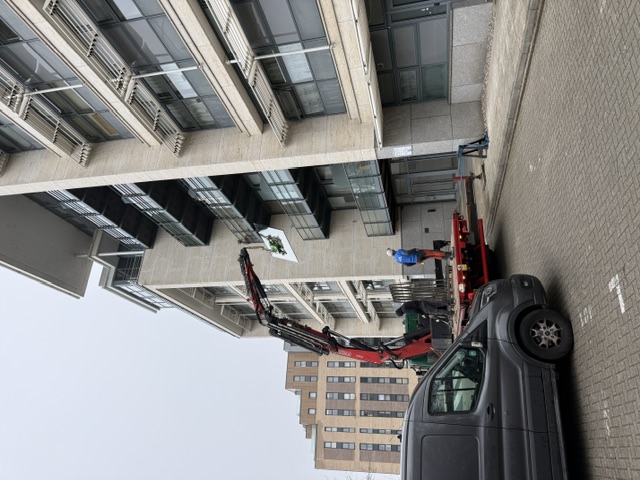
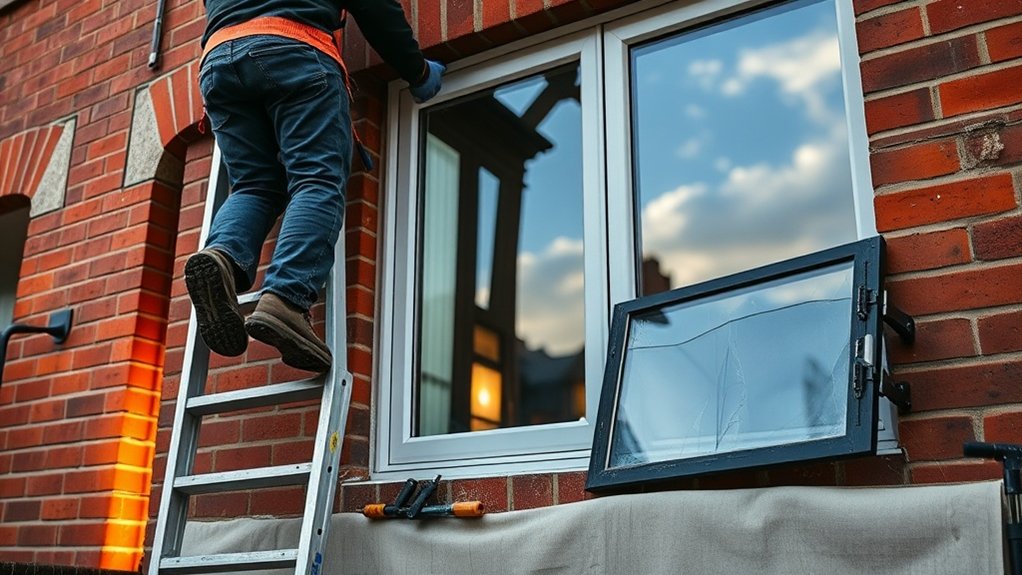
Most calls for window repair in Clarendon start with one of three things: a sash that has jammed, a double glazed unit that has misted up, or a draught you can feel on the back of your hand. Our wet winters and the constant swing between cold nights and mild days wear out seals, soften timber and loosen hardware faster than many owners expect. In most cases we can put the window right without replacing it, by realigning the frame, renewing gaskets and sealant, swapping worn hinges and locks, or fitting a new glass unit.
Key insights
- Draughts, misted double glazing, sticking sashes and soft timber are the usual signs that a Clarendon window needs professional attention.
- Rain, condensation and storm-driven wind cause most seal failure, frame distortion and leaks in the area, so an annual check catches faults early.
- Typical repairs cover resealing, sash realignment, hardware replacement, timber splicing, uPVC and aluminium frame work, and upgrading to modern double or triple glazed units.
- Pick a Clarendon specialist with FENSA or Certass registration, insurance, written guarantees and an itemised or fixed-price quote.
- Replace rather than repair when frames are rotten or warped, faults keep returning, or you want a step change in energy performance or security.
Signs Your Clarendon Windows Need Repair or Replacement
A failing window in Clarendon rarely fails quietly. The first test is operation: a sash that jams, drops or will not stay open points to worn balances, hinges or a distorted frame. The second is the seal. Misting between the panes means the sealed unit has failed, while a draught or a sliver of daylight at the frame edge means perished gaskets or a sash that no longer closes square.
Look at the frame itself next. Press a screwdriver into the bottom rail and sill of a timber window; if it sinks in, there is wet rot to deal with. Blistering paint, twisted sections and open corners tell the same story. On windows with leaded lights or glazing bars, cracked bars, bowed lead and missing beads are worth noting because they affect weather tightness as well as looks.
Where a house sits in a conservation area, the presumption is to repair as long as the original fabric is sound. Slimline double glazed units fitted into the existing sashes and modern draught strips bring an old window close to current performance without losing its character.
How Clarendon’s Climate Damages Your Windows Over Time
Three local factors do most of the damage. The daily and seasonal temperature swings make frames, glass and sealant move at different rates, which slowly works joints open. High indoor humidity and the condensation it produces then get into those joints, feeding rot and corrosion and killing sealed units. Winter storms finish the job, driving rain through any gap that has opened and turning a weak seal into a running leak.
Seasonal Temperature Swings
Clarendon does not get extreme cold, but a frosty morning followed by a mild afternoon is common for half the year, and that cycle is hard on windows. Every warm-up and cool-down makes the frame grow and shrink a fraction; over a few hundred cycles the sealant debonds, hairline gaps appear at mitres and the sash drifts out of square, so the window starts to whistle and let noise through.
The answer is to use materials that move together and sealants that can cope with movement. A flexible, low-modulus silicone stretches with the frame instead of cracking; a brittle acrylic filler does not. Sealed units on warm-edge spacers and proper compression gaskets hold up far better than mastic alone. Check the joints after a sharp cold snap; a quick reseal then is cheaper than a frame repair later.
Humidity And Condensation
Damp air is the slow killer of windows in Clarendon. Moist air from kitchens, bathrooms and drying laundry condenses on the coldest surface in the room, usually the glass and the bottom of the frame. On older double glazing, the desiccant in the spacer bar eventually saturates and the unit fogs internally; on timber and composite frames, water that sits on the sill soaks into the end grain and the frame swells.
Controlling it is partly about the house and partly about the window. Use extractor fans, keep trickle vents open and clean the frames so grime does not hold water against the seals. A low-E coated glass unit keeps the inner pane warmer and raises the surface above the dew point, which is the most effective single upgrade. Check gaskets, spacer bars and sealant each year and act on the first signs of fogging or soft timber.
Storm Damage And Leaks
When a gale drives rain horizontally across Clarendon, every flaw in a window shows. Water gets past tired sealant, cracked flashings and open frame joints. Repeated storms widen those cracks, deform gaskets and rack the frame, so what began as a damp patch becomes a live leak that soaks plaster and insulation.
The way to stay ahead of it is to treat the window and the wall around it as one weatherproof system. The priorities are:
- Correctly lapped flashings and a sill tray that sheds water outward rather than into the cavity
- Sealants rated for UV exposure, movement and adhesion to the frame material
- Stiff frames with reinforced corners and multi-point locking that pulls the sash tight against the gasket
After a bad storm, check for drips and staining and confirm the drainage slots are clear.
Common Window Problems in Clarendon Homes (And What They Mean)
Each symptom on a Clarendon window tends to map to a specific fault. A sash that sticks is usually a swollen or distorted frame, layers of old paint, or a hinge that has dropped. Misting inside the glass is a failed sealed unit; the only fix is a new unit.
A draught that never goes away points to flattened perimeter gaskets or a sash that has warped away from the frame, and it is costing you heat every day. Water running down the inside of the glass means the room is too humid or too poorly ventilated.
A crack in leaded or decorative glass can be impact damage or a sign the frame or building has moved, so it deserves a proper look. A handle that spins or will not throw the lock fully usually means a worn espagnolette gearbox or loose screws, and until it is fixed the window is neither secure nor weathertight.
Repair Options for Timber, uPVC and Aluminium Windows
Each frame material has its own repair toolkit, and knowing what is possible stops you paying for a new window you do not need. Match the technique to the material and the problem and you keep the cost down, stay within the regulations and add years to the existing units.
Timber Window Refurbishment
An old softwood sash can look far worse than it is. Most of the decay sits in the bottom rail, the sill and the lower joints, and the rest of the frame is often perfectly sound. We survey for rot with a probe and moisture metre and test for air leakage before deciding what to cut out.
The work usually involves:
- Cutting out rotten timber and resin splicing or scarfing in new sections, then sanding and repainting with a breathable, weather-resistant system.
- Re-gluing or pinning loose joints and fitting brush or compression draught strips so the window seals without altering its sightlines.
- Adding useful modern hardware: key-locking fasteners, discreet trickle vents and low-friction sash pulleys or hinges.
Where the sash depth allows, slimline double glazed units can be set into the original rebates, giving a big thermal improvement while keeping the look that suits a period street.
uPVC Frame Repair Methods
uPVC will not rot, but it does get dented, bowed, discoloured and leaky. Before anything else we run through a short diagnostic check: is the sash square in the frame, are the gaskets still compressing, are the drainage slots open, and do all the locking points engage.
A frame that has bowed can often be eased back into shape and braced, after which the glass unit is re-packed with toe-and-heel packers so the sash hangs true again. Hardened gaskets are stripped out and replaced; perished sealant is cut back and re-run with a low-shrink silicone. Gouges and cracks in the profile are repaired by plastic welding and colour-matched filler; faded frames can be resprayed on site.
While the fitter is there it makes sense to add a solar-control film on a hot south-facing room, or upgrade the hardware with a modern multi-point lock and reinforced hinges.
Aluminium Window Restoration Options
Aluminium frames often outlast their finish and hardware by decades. Provided the frame is straight and free of galvanic corrosion around the fixings, restoration is usually the better route in Clarendon; it also keeps the slim sightlines.
The main options are:
- Stripping and recoating faded or chalky finishes, either with an on-site spray system or a factory powder-coat where the frames can be removed.
- Fitting new wedge gaskets and brush seals and glazing in modern double or triple units to lift thermal and acoustic performance.
- Replacing worn friction stays, locks and hinges so the sashes close tight and lock securely.
What to Expect From a Professional Window Repair Visit in Clarendon
A repair visit in Clarendon follows a set routine. The glazier starts by looking over every frame, sash, seal and handle, then checks the suspect areas properly: a moisture reading on timber, a smoke pencil or hand test for draughts, a look at the spacer bar for fogging, and a check of each lock and hinge.
From there they set out the options and the trade-offs. That might be realigning a sash, adjusting or swapping hinges and locks, renewing gaskets, or ordering a replacement sealed unit measured on the day. If you have asked about extras such as solar film or obscure bathroom glass, they will confirm what fits the existing frame.
Before leaving, you should have a clear sequence of work, an idea of how long it will take, and confirmation that safety glass, thermal standards and any Building Regulations requirements are covered.
Window Repair Costs in Clarendon (Key Price Factors)
No two jobs are alike, but window repair costs in Clarendon follow a predictable set of drivers: the style and size of the window, the frame material, the glass specification, how far the damage has spread, how easy the window is to reach, and whether specialist hardware or safety glass is needed. Large units, triple glazing and anything that needs scaffold or a tower will sit at the upper end of the range.
Any upgrades you add on the same visit change the figure too:
- Performance improvements such as low-E glass, argon fill, acoustic laminate and new gasket systems cost more in materials and fitting time.
- Decorative work, including leaded or etched glass and bespoke bead profiles, adds to the unit price.
- Extras like solar film, integral blinds, alarm contacts and laminated or toughened safety glass take extra labour and testing.
How to Choose a Reliable Clarendon Window Repair Specialist
Price only goes so far; the repair lasts as long as the person doing it is competent. Check that any firm you call in Clarendon is FENSA or Certass registered, carries public liability insurance, and will give you a written guarantee covering the glass, the hardware and the seals.
Favour a glazier who looks for the cause rather than just the symptom, uses components approved by the frame manufacturer, and records what they find, including moisture readings and frame movement. Ask what they have done beyond standard double glazing, such as acoustic units, security laminate or sash restoration.
If you want decorative work, ask to see examples of glazing bars, etched glass and colour-matched sealant. Compare how quickly they can attend, whether they stock genuine parts, and whether you get a fixed price and a firm date before you agree to anything.
Maintenance Tips to Make Your Window Repairs Last Longer
A good repair in Clarendon will still fail early if nobody looks at it again. Walk round the windows every three months and check three things: seals, hardware and the surface finish. After new sealant or a new glass unit has gone in, leave the perimeter seal clean and undisturbed for about three days so it cures and bonds properly.
- Wash glass and frames with mild, pH-neutral detergent; abrasive pads scratch coatings and shorten their life.
- Repaint timber before the old coat fails rather than after, so water never reaches bare wood.
- Use a silicone spray on hinges, locks and sliders instead of oil, which attracts dust and gums up over time.
Keep a note of what was done and when so repeat offenders stand out.
When It’s Smarter to Replace Your Windows Than Repair Them
Repairs can keep a window going for years, but some units in Clarendon reach the point where patching them is throwing money away. Frames that are rotten through, badly warped, or that need resealing every winter, with misted units and draughts coming back each time, are candidates for replacement.
A new window brings the whole opening up to the Part L standard in one go, cutting heat loss, overheating and noise together. Stiff sashes, decades-old locks or single-pane glass leave the house colder and less secure than it should be.
Replacement also opens up choices a repair cannot: slimmer frames, bigger panes, conservation-style sashes with modern glass, and PAS 24 locking and alarm-ready hardware that suit how you use the house now.
See our main window repair page for the full range of options in Clarendon.
Frequently Asked Questions
Do Clarendon Window Repair Companies Offer Emergency Same-Day or Out-Of-Hours Callouts?
Yes. Most established glaziers in Clarendon, including us, run an emergency callout service around the clock for break-ins, storm damage and broken glass. The first visit is normally about making the opening safe and weatherproof, usually by boarding or fitting a temporary pane, with the permanent glass measured and ordered at the same time. Before you book, ask about the callout fee, the realistic response time and whether the firm can source your glass type, and check they are insured and registered.
Can Damaged Stained Glass or Decorative Leaded Windows Be Repaired Locally in Clarendon?
They can. There are specialists serving Clarendon who restore stained glass and leaded lights rather than replacing them. A typical job involves removing the panel, recording the design, dismantling and cleaning it, matching broken pieces for colour and texture, then re-leading with new cames, re-cementing and polishing. Fatigued panels can be strengthened with discreet support bars. Where you want better thermal performance, the restored panel can be encapsulated within a modern double glazed unit so the original artwork is protected and the window performs like a new one.
Are There Eco-Friendly or Recycled Materials Available for Clarendon Window Repairs?
Yes, and the choice is wider than it used to be. For timber repairs we can use FSC-certified or reclaimed softwood and hardwood. Aluminium profiles are available with a high proportion of recycled metal, and several uPVC systems now include post-consumer recyclate in the core. Low-E glass units contain a good share of recycled cullet. Ask about solvent-free sealants and long-life gaskets, and about taking the old frames and glass away for recycling rather than landfill, which most responsible firms do as standard.
Will Window Repair in Clarendon Affect My Home’s Existing Security or Alarm Systems?
It can, but only if the glazier is not told about it. Mention any alarm, magnetic contacts, vibration sensors or wiring on the window before the visit so they can protect those parts while working. A careful fitter will isolate the relevant zone with you, keep the contacts aligned when the sash goes back, and test the alarm before leaving. The visit is also a sensible moment to upgrade to better locks or integrated sensors if the existing hardware is dated.
Can Clarendon Window Repair Costs Be Claimed on Home Insurance Policies?
Often, provided the damage came from an insured event such as a storm, a break-in, vandalism or an impact. Take photographs before anything is moved, keep every invoice, and make sure the repair matches what the policy describes, including any security specification. Insurers do not pay for wear, neglect or upgrades, so misted units and rotten sills are usually your own cost. Check the excess and any requirement to use an approved contractor before you instruct work; many policies will accept a report and quote from an independent glazier if you ask first.
Summary
If you are feeling draughts, seeing condensation or fighting a stiff sash, the window is telling you it needs attention before the next Clarendon winter. Acting promptly keeps heat in, stops decay spreading and puts off the day a full replacement becomes unavoidable. Choose a registered local glazier, keep up with simple maintenance, and window repair becomes a modest, planned cost rather than an emergency. Call us for a free inspection and a fixed-price quote.